EN
EN  AR
AR DE
DE ES
ES FR
FR HI
HI JA
JA PT
PT RU
RU

Many car owners have had this experience: they just replaced their spark plugs with a set of top-of-the-line iridium spark plugs, but the car still feels jerky, acceleration is weak, and fuel consumption hasn't decreased. What's the problem? You've focused all your attention on the spark plugs, but you've overlooked the unsung hero that silently supplies them with high-voltage electricity – the ignition coil.
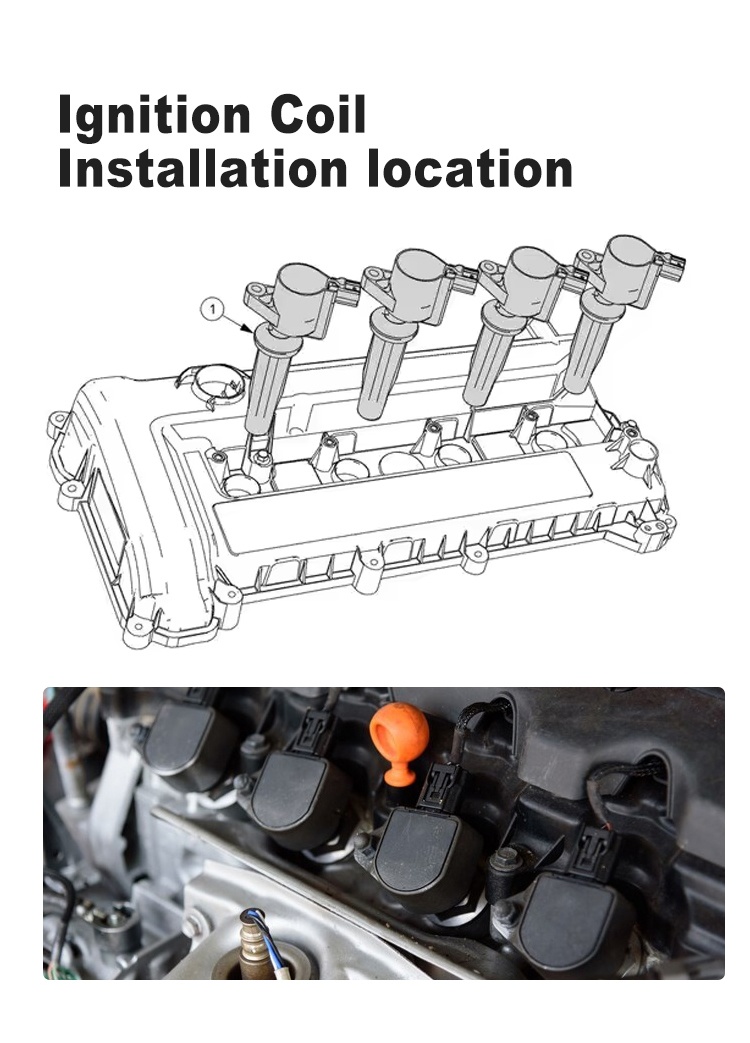
Spark plugs are responsible for “ignition,” ignition coils are responsible for the “fatal blow.”
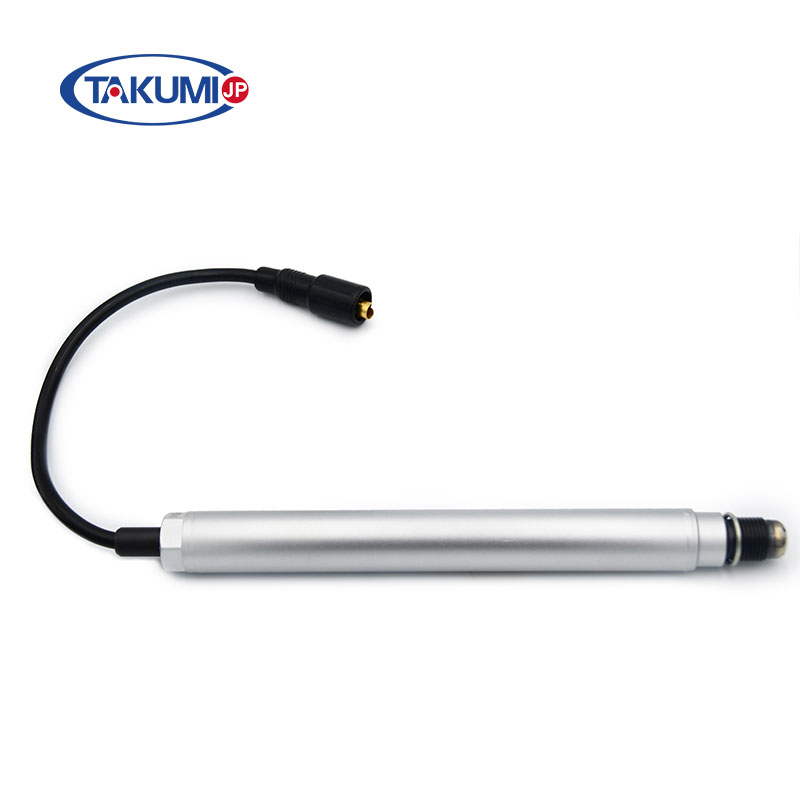
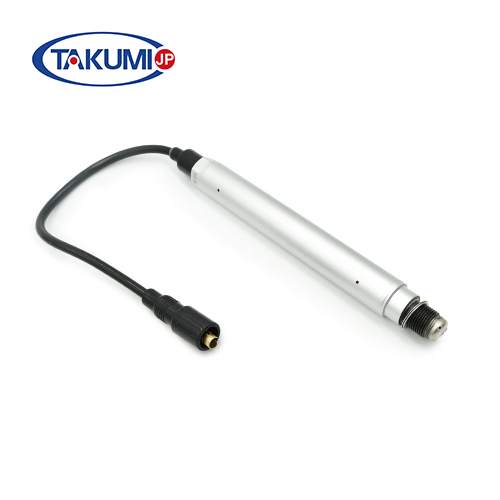
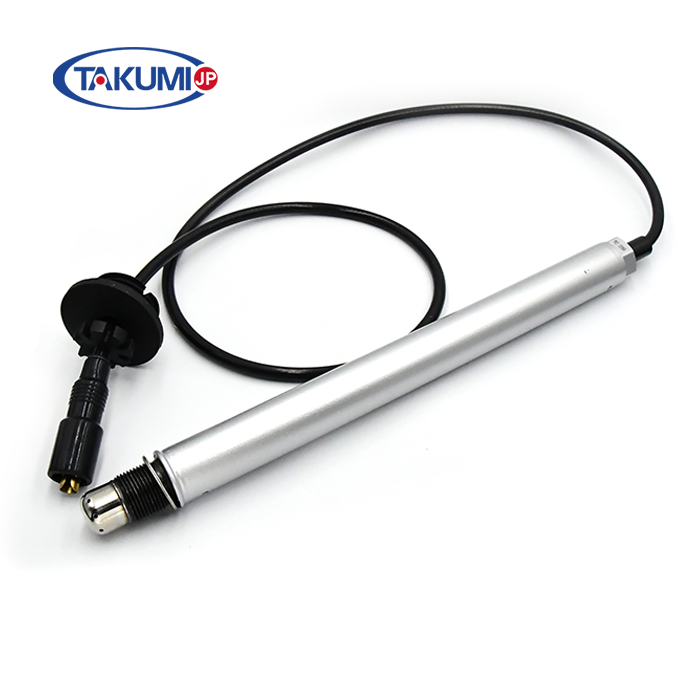
The spark plug's function is to generate an electric spark to ignite the air-fuel mixture, but the tens of thousands of volts of high-voltage electricity required to generate this spark comes from the ignition coil. You can think of the ignition coil as the engine's “pacemaker” – it's responsible for boosting the vehicle's 12V low-voltage electricity to over 30,000 volts and then precisely delivering it to the spark plugs. Without the stable high-voltage electricity output from the ignition coil, even the best spark plugs are just scrap metal.
A worn-out ignition coil won't solve the problem even with the best spark plugs.
Over time, the insulation of the ignition coil deteriorates, and the internal coil ages, leading to unstable output voltage or even misfires. At this point, even if you replace the spark plugs with dual iridium ones, the engine will still experience symptoms such as idling vibration, jerking during rapid acceleration, and increased fuel consumption. Many car owners mistakenly believe it's a spark plug problem and repeatedly replace them without success—in fact, the real issue is the ignition coil.
According to TAKUMI, the various components of the ignition system form an organic whole—the spark plug is responsible for ignition, and the ignition coil is responsible for transmission; both must work together to achieve optimal performance.
Maintenance Recommendation: Don't forget to check the ignition coil when replacing spark plugs.
The replacement cycle for spark plugs is typically 30,000-50,000 kilometers. It's recommended to check the ignition coil's rubber sleeve for aging and signs of leakage at this time. If cracks or burn marks are found on the surface of the ignition coil, it's recommended to replace it as well. Replacing only the spark plugs without checking the ignition coil is like replacing new tires without checking the brakes—it only treats the symptoms, not the root cause.