EN
EN  AR
AR DE
DE ES
ES FR
FR HI
HI JA
JA PT
PT RU
RU

"It's just an ignition device, right? What's the difference between a $10 and a $100 spark plug?"—This is the common thought among many car owners when it comes to spark plugs.
The difference is much bigger than you think.
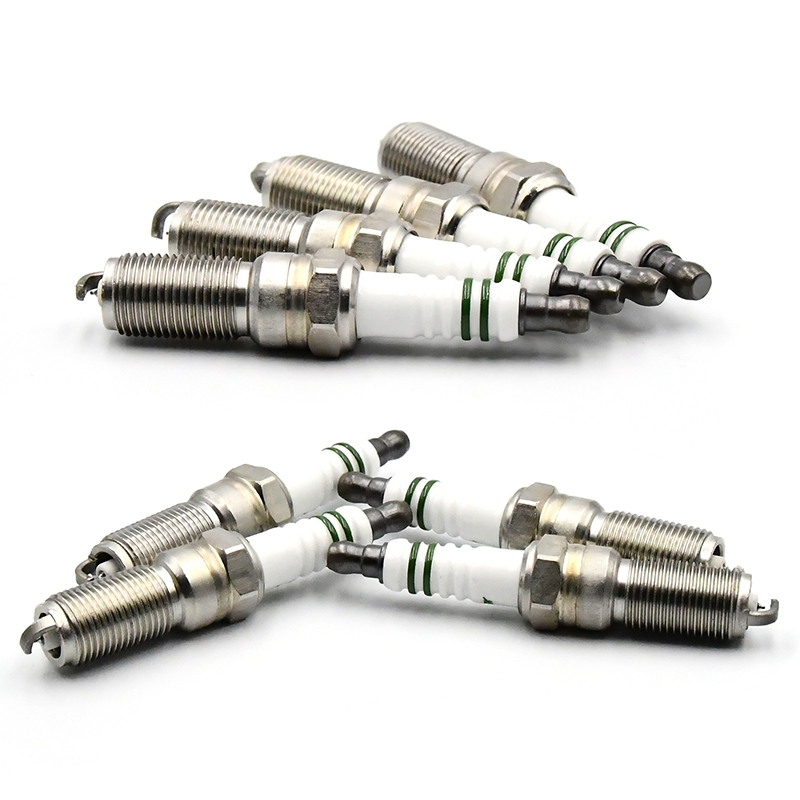
The true value of precious metal spark plugs: not increased power, but extended lifespan.
Many people believe that replacing their spark plugs with expensive iridium spark plugs will increase power and reduce fuel consumption—this is a huge misconception.
The sole function of a spark plug is to ignite the air-fuel mixture in the cylinder at the correct time. It's like lighting a firecracker with a match—the loudness of the firecracker depends on the gunpowder, not on whether you use a regular match or a windproof lighter. An engine's power is determined by its design, displacement, and technology; even the most expensive spark plug cannot change the engine's output power.
So why do many people feel the accelerator is lighter after replacing their spark plugs with iridium ones? Because the old spark plugs were severely aged, and their ignition capability had significantly decreased. In this situation, replacing the spark plugs with a set of ordinary, brand-new copper-core spark plugs will yield the same result.
The real advantage of precious metal spark plugs lies in their longer lifespan. Platinum and iridium have high melting points and strong corrosion resistance, allowing them to withstand the high temperatures of thousands of degrees Celsius and tens of thousands of volts of electrical shock inside engine cylinders for a longer period than ordinary copper-core materials. The extra money you spend buys you a longer replacement cycle and more consistent performance.
The cost of using the wrong spark plugs: mismatched heat range, piston pitting.
The difference between a $10 and a $100 spark plug goes beyond this. Using the wrong spark plugs can have far more serious consequences than you think.
A core parameter of spark plugs is their heat range—reflecting their heat dissipation capacity. High-performance engines have high heat loads and require "cold-type" spark plugs (absorbing less heat and dissipating it quickly). Regular cars have gentler engines and are better suited to "hot-type" spark plugs (absorbing more heat and dissipating it slowly).
What happens if you choose the wrong heat range?
Low heat range (overheated): Insufficient heat dissipation leads to a continuous rise in combustion chamber temperature, causing the air-fuel mixture to ignite before the spark plug can ignite – this is knocking. Knocking doesn't immediately destroy the engine; it's like punches landing on the piston crown and connecting rod, accumulating over time, eventually causing pitting on the piston or even burning through it.
High heat range (overcold): The spark plug temperature remains consistently low, resulting in severe carbon buildup at the electrodes, poor ignition, and reduced power.
Every spark plug manufactured by TAKUMI undergoes rigorous heat range matching and gap calibration. Since producing its first spark plug in 1970, TAKUMI has accumulated over half a century of experience in spark plug manufacturing. Choosing TAKUMI is not just choosing an accessory, but a precise ignition solution tailored to your engine's needs.